
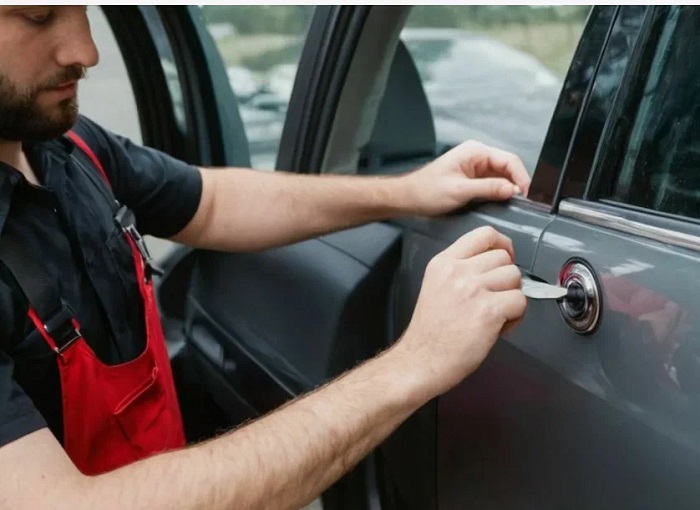
Car unlocking is a set of professional procedures aimed at safely restoring access to the interior or trunk in the event of lost keys, jammed locks, or electronic system failure. This article will cover the main stages of the process: initial diagnostics of the lock type and model features, selection of the appropriate tool and method, and checking for damage after opening. This will allow you to order a car unlocking service on https://carlocksmithguelph.ca/ with a conscious and informed understanding of the process.
We will pay special attention to the following rules: confirming ownership or legal possession, adhering to safety requirements, working only with gentle methods, and recording the results. These principles help avoid damage to the paintwork, door deformation, and electronic failures, and also minimize risks when interacting with anti-theft systems and factory alarms.
Preparing to unlock a car
Before opening a car, it is necessary to ensure that the actions are carried out legally and at the discretion of the person authorized to dispose of the vehicle. At this stage, it is important to accurately identify the vehicle and owner, as well as understand the grounds for allowing access to the interior or trunk.
Proper preparation reduces the risk of disputes, third-party claims, and accusations of property damage. Therefore, before using tools, it is necessary to check documents, confirm the right to open the vehicle, and record the original condition of the vehicle.
Checking Documents and Owner Rights
First, documents are requested that link the person to the specific vehicle and confirm the legitimacy of the request: identification, vehicle documents, and, if necessary, a power of attorney or other proof of authority. If a representative is contacting, it is important to verify that their authority specifically allows access to the vehicle and opening operations.
It is important to clarify the reason for opening the vehicle: lost keys, blocked locks, a triggered security system, or a need to access documents or belongings. If there is any doubt about the applicant’s right, it is advisable to suspend work until sufficient evidence is provided or until authorized persons arrive.
- Check the vehicle details (make, model, VIN/chassis number, license plate) against the submitted documents.
- Clarify the applicant’s status: owner, co-owner, authorized representative, or lessee under a contract.
- Record who initiated the opening and on what basis to eliminate any misunderstandings.
Recording the initial condition of the vehicle
Before opening, inspect the vehicle and record its condition: the integrity of the glass, the presence of scratches, dents, traces of previous repairs, the condition of the seals and locks. Specific features that may influence the choice of method are noted separately: a door misalignment, a worn lock, a damaged cylinder, or non-standard security elements.
Recording the initial state is performed so that it can be clearly confirmed what was already present before the work began and what may have arisen during the process. This helps protect the interests of the owner and the contractor, especially in the event of subsequent damage claims.
- Take a photo/video of the general appearance of the vehicle, including the license plates and surrounding area.
- Take a close-up of the area of the intended impact: door, window frame, lock, handle, weatherstrip.
- Record the current status: locked/open, whether the alarm is on, visible indicators on the dashboard (if available).
- Note weather conditions and contamination that may affect the visibility of defects.
After recording, agree on the procedure and expected result: access to the interior, disabling locks, and retrieving keys or documents. This approach ensures predictability and reduces the likelihood of conflicts during the evaluation of the opening results.