
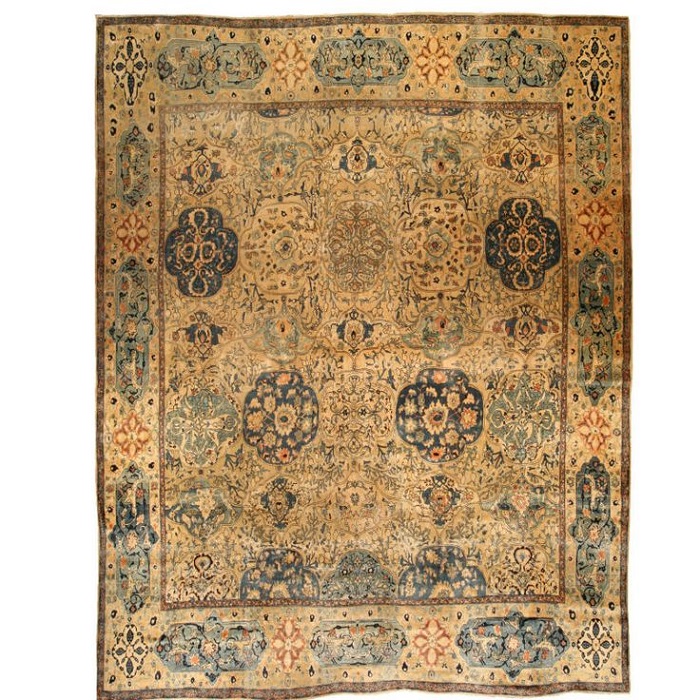
Antique rugs hold a rare ability to communicate the passage of time. They are not only decorative objects but also storytellers, carrying fragments of cultural memory, craftsmanship, and the personal histories of the homes in which they live. The patterns, textures, and aging marks woven into them offer clues about origins, values, and traditions. For many homeowners, browsing thoughtfully curated collections such as those found at specialized rug assortments online is the first step in discovering pieces that bring depth and narrative into interior spaces.
The Cultural Origins Hidden in Patterns
Every antique rug carries a regional signature. Geometric motifs often point to tribal weaving traditions, floral patterns may reveal Persian influences, while minimalist or repetitive designs suggest European workshops or early modern interpretations. These motifs are not chosen at random; they reflect centuries of symbolic meaning. A rug with medallions may indicate a story of protection or status, while border designs can represent continuity or harmony. Understanding these elements reveals not only where the rug came from but the worldview of the artisans who created it.
Signs of Use That Highlight Family History
Antique rugs often bear marks of the households they have lived in. Areas where the pile has softened show places where family members gathered. Subtle fading near one side might indicate where sunlight regularly streamed through a window. Even the direction of wear can unveil furniture arrangements or traffic patterns from decades past. These traces form a quiet biography of a home, making the rug a witness to moments of ordinary daily life as well as major family events.
The Craftsmanship That Connects Eras
A finely made antique rug speaks to a time when weaving was not simply a trade but a form of devotion. Hand-knotted construction, natural vegetable dyes, and hand-spun wool each tell part of this story. These methods result in rugs that age elegantly, gaining a patina that modern manufacturing cannot replicate. Certain contemporary brands draw inspiration from these traditions, as seen in heritage-influenced collections such as Louis de Poortere. Through such pieces, today’s homes indirectly honor the craft of past generations.
Colors That Reveal Environmental and Social Context
The hues found in antique rugs hold valuable clues to the conditions of their creation. Deep reds from madder root, indigo blues from fermented leaves, and soft earthy tones from walnut or pomegranate shells all reflect the natural resources available to the region. A rug’s palette also reveals the aesthetic sensibilities of its time — whether it belonged to a rural household valuing practicality or an aristocratic home favoring complexity and ornamentation. The interaction between organic dyes and decades of light exposure adds another layer to the narrative.
The Rug as a Timeline of Techniques
Antique rugs often display gradual shifts in weaving style, tension, or knotting density. These variations can indicate whether a rug was woven by one artisan or several, whether it was created in a workshop or a family home, and even whether interruptions took place during its making. Such transitions offer insight into the rhythm of life during the rug’s creation — moments where seasons changed, tools evolved, or new influences entered the region.
A Living Artifact Within the Home
What makes antique rugs remarkable is their ability to merge personal and cultural history. When placed in a modern home, they form a dialogue between past and present. They introduce authenticity into contemporary environments, grounding a space with the weight of real heritage. Their imperfections, softened tones, and time-shaped textures remind us that beauty can deepen through longevity. An antique rug becomes not only a decorative piece but a bridge between generations, carrying stories that continue to evolve with every new family that welcomes it.