
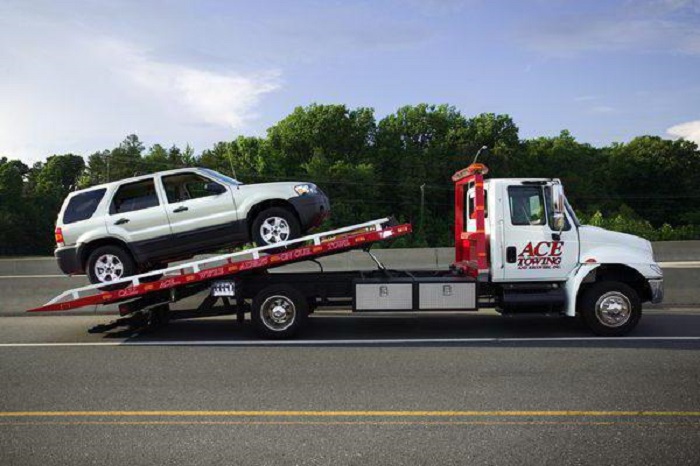
Vehicle towing is an important procedure governed by specific requirements and rules to avoid conflicts and ensure the rights of vehicle owners and towing services are respected. Knowing these rules is especially important for those seeking car towing Cambridge or facing the need to tow a vehicle in cities and suburbs.
Properly following the towing procedure helps ensure road safety, prevent unlawful vehicle detention, and prevent potential fines. Therefore, it is important to understand the key legal requirements and rules related to vehicle towing to ensure compliance and protect your interests.
Vehicle Towing: Key Criteria and Standards
Vehicle towing is carried out in strict compliance with established standards and criteria. The main purpose of these rules is to ensure road safety, prevent the creation of obstacles, and protect the property of citizens.
At the same time, there are clear legal and technical requirements for towing procedures, which are governed by relevant regulations. Compliance with these criteria ensures the legality of towing services and prevents abuse.
Document Requirements When Calling a Towing Service
When contacting a towing service to transport a vehicle, you must prepare certain documents confirming ownership or legal use of the vehicle. Typically, this requires the owner’s or authorized representative’s passport, as well as the vehicle’s registration document. This information allows service personnel to verify that the request is being made correctly and that the procedure complies with legal requirements.
In some cases, such as when towing a vehicle without the owner, a document confirming the owner’s consent to the towing or a power of attorney issued by an authorized representative is required. It is also advisable to have documents confirming the payment of fines or other mandatory fees associated with the parked vehicle. Having a complete set of documents helps expedite the process and avoid potential misunderstandings.
Recommended Documents
- Russian Federation citizen’s passport or other identification document;
- Vehicle registration document;
- Document confirming ownership (registration certificate, power of attorney, sales contract, etc.);
- Power of attorney – if the call is made by an authorized person;
- Documents confirming payment of fines or other mandatory payments.
Practical Tips for Preparing Your Car for Towing and Avoiding Fines
Properly preparing your car for potential towing will not only help avoid fines but also significantly speed up the process if necessary. Knowing and following the rules for parking and storing your car will give you peace of mind and save you time and money.
The following recommendations will help you prepare for a possible towing and minimize the risk of fines.
Practical tips for preparing your car
- Regularly check for compliance with parking rules: avoid areas where parking is prohibited or restricted, such as near fire hydrants, pedestrian crossings, on sidewalks, and in disabled spaces.
- Observe road signs and markings: promptly respond to changes and check for restrictions.
- Use special devices and reflectors: make your parking more visible to other road users and services.
- Ensure you have all necessary documents: insurance, registration certificate, and other necessary documents that may be useful when calling a tow truck or during an inspection.
- Clean your car regularly Remove unnecessary items: to avoid suspicion of illegal parking or blocking access.
How to Avoid Fines During a Towing
- Carefully study local rules and possible restrictions: information about restricted areas is usually posted on special signs and on the website of municipal services.
- If you notice a towing: immediately find out the contact information of the towing services so that you can quickly contact them and receive information about the location of your car.
- In case of an illegal towing: collect evidence, write down the numbers of the tow trucks, and take photos and videos of the situation.
- Contact the appropriate authorities: if you believe your car was illegally towed, file a complaint and demand the return of the car or compensation for the fine.
Bottom Line: Preparing your car for possible towing and knowing the rules for storing it can reduce the risk of fines and resolve any situations that arise faster. Follow the recommendations, be attentive to road signs and legislation, and your collision with a tow truck will not come as a surprise.